
Virginia Patios
Virginia properties ask a lot from an outdoor surface. Heavy rain, humid summers, and repeated freeze-thaw cycles in many parts of the state can shift soil and push water where you don't want it. Patios that aren't built on a stable base or don't shed water correctly end up settling, cracking, or turning slick and muddy at the edges.
Patios in Virginia should do one job first: stay flat, drain right, and feel solid underfoot season after season. 757 Fence & Deck builds patio surfaces that fit the way you actually use your yard or commercial outdoor area, with material choices that make sense for local conditions. We provide free estimates, financing options are available, and our crew is licensed and insured.
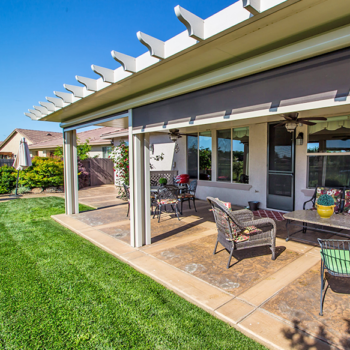
Our patio work includes paver patios, stamped concrete patios, and flagstone or natural stone patios. The best option depends on how you want it to look, how much movement your site tends to have, and how you want to maintain it over time.
Patios for Virginia weather and soil
"Best" patio material isn't one-size-fits-all in Virginia. Clay-heavy soil can hold water and swell, sandy soil can shift, and downspouts and low spots can turn an attractive patio into a puddle problem. Material selection matters, but the bigger difference usually comes from how the base and drainage are built under the surface.
- Paver patios: A great fit when you want a clean, modular look and easier spot repairs. If a section settles, individual pavers can be lifted and re-set after the underlying issue is corrected. Joint sand choice and edge restraint quality make a big difference in how well pavers resist washout and weed intrusion.
- Stamped concrete patios: Good for a continuous surface with decorative texture and pattern. Concrete needs the right thickness, reinforcement approach, control joints, and curing practices to reduce random cracking. Surface finish also matters for slip resistance, especially where shade and moisture hang around. Learn more on our Concrete page.
- Flagstone/natural stone patios: Beautiful, natural variation with a more organic layout. Stone thickness, bedding method, and jointing material need to match the site so the surface doesn't rock or separate as the ground moves through wet and cold seasons.
We'll talk through where water flows now, how you plan to use the space, and what "maintenance" really means for each material so you don't end up with a patio that looks great on day one and becomes work later.
How a patio gets built right in Virginia
A patio's lifespan is decided before the first paver is set or the first concrete truck arrives. The hidden work is what keeps the finished surface from shifting and breaking down.
- Site evaluation and layout: We look at current grade, where water collects, nearby downspouts, and how you'll enter the patio from the house or building. Then we set the footprint and elevations so the surface works with your property instead of fighting it.
- Excavation to the right depth: Cutting corners here leads to patios that "float" on soft soil. We excavate to allow for base material plus the patio surface while keeping the final elevation where it should be at thresholds and edges.
- Base build and compaction: A properly compacted aggregate base is what keeps patios from settling. We place base material in layers and compact it so it locks together. On sites that need it, a separation layer can help keep soil and base from mixing and weakening the foundation.
- Grade and drainage setup: Patios should shed water away from structures and away from areas where it will sit. We shape the base so the finished patio follows a controlled slope that drains consistently without feeling "tilted" when you walk on it.
- Surface installation: For pavers, this includes bedding, placing the pavers, cutting edges cleanly, installing edge restraints, and finishing joints with the right sand. For stamped concrete, this includes formwork, reinforcement approach, placing and finishing concrete, stamping, and cutting control joints. For stone, this includes setting stone, managing thickness differences, and building joints that fit the layout.
- Finish details and cleanup: We check the surface for lippage (uneven edges), verify drainage, and make sure the perimeter transitions don't trap water or wash out. Clean edges and stable borders are what keep patios looking sharp after storms and foot traffic.
This process is also where experienced builders earn their keep. A patio that drains correctly and stays level is the result of good measurement, patient base prep, and finishing choices that fit Virginia conditions.
Drainage, edges, and joints: where patios fail first
Most patio problems show up in the same places: at the edges, in the joints, and wherever water sits. In Virginia, water management is the difference between a patio you enjoy and a patio you keep patching.
- Pooling water on the surface: Usually caused by low spots, poor slope, or settlement. Even small birdbaths can lead to staining, algae growth, and slippery areas in shaded spots.
- Washed-out joints on pavers or stone: Heavy rain can erode joint material if the joints aren't properly filled or if runoff is hitting the patio with force. Correct edging and jointing methods help the surface stay tight.
- Edge spread and border movement: Without reliable edge restraint, pavers slowly creep outward and joints widen. The patio starts to feel loose, and the pattern loses its crisp lines.
- Concrete cracking in the wrong places: Concrete will crack; the goal is to encourage it to crack where control joints are placed instead of randomly across the field. Poor joint planning and rushed curing increase the odds of ugly cracking.
- Winter damage from trapped moisture: Freeze-thaw cycles can heave sections that hold water. Proper base compaction and drainage reduce movement, and material selection can help in areas prone to standing water.
If you already have a patio that's sinking, rocking, or holding water, the fix usually isn't "more sand" or a surface patch. The right repair addresses the cause underneath, then resets or rebuilds the surface so the problem doesn't return after the next season of rain and cold snaps.
Design choices that change comfort and upkeep
A patio isn't just a rectangle of hard surface. Small layout choices affect how it feels to use and how much time you spend maintaining it.
- Surface texture and traction: In humid Virginia weather, shaded patios can stay damp longer. Texture choices for stamped concrete and stone, plus joint finish on pavers, matter for grip.
- Transitions at doors and steps: Getting elevations right prevents awkward step-downs, water intrusion risks at thresholds, and tripping edges where the patio meets walkways or the yard.
- Border and edge detailing: Borders and edging aren't only decorative. They help lock the field in place and keep mowing, foot traffic, and runoff from chewing up the perimeter.
- Maintenance expectations: Some homeowners want a patio they can rinse off and enjoy. Others don't mind periodic re-sanding or sealing. We'll align the build to what you'll actually keep up with.
For commercial properties in Virginia, we also pay attention to traffic patterns and how the patio area gets cleaned. A surface that looks good but can't be maintained easily won't stay presentable for long. Learn more about our commercial services.
FAQ about patio installation in Virginia
How do I choose between pavers, stamped concrete, and natural stone?
Start with how you want to maintain it. Pavers are easier to repair in sections. Stamped concrete gives a continuous look but needs good jointing and curing practices. Natural stone offers a distinct look but requires careful setting and joint work. We'll also factor in drainage and soil movement on your property in Virginia.
Do patios need to slope, and will it feel uneven?
Yes, a patio needs a controlled slope so water doesn't pool. Done right, you won't feel it underfoot, but you'll notice the difference after a storm because water moves off the surface instead of sitting.
Can you build a patio that fixes a muddy area in the yard?
A patio can help, but the real fix is directing water correctly. We evaluate runoff, downspout discharge, and grade so the patio doesn't simply relocate the mud to the edges or trap water against the surface.
What causes pavers to separate or wobble over time?
Almost always, it's base compaction, missing or weak edge restraint, or joint material that's been washed out by runoff. The remedy is correcting the underlying support and then resetting the surface so it locks together again.
Do you offer estimates and financing for patios in Virginia?
Yes. 757 Fence & Deck provides free estimates for patios in Virginia, and financing options are available so you can move forward with the right layout and materials instead of settling for a shortcut.
If you're planning a new patio or replacing one that's settling, we'll start with a site visit and talk through drainage, layout, and material options that match your property. You'll get a clear quote, straightforward recommendations, and a build plan focused on a patio that stays level and drains correctly in Virginia.
To get started, request your free estimate. We'll measure, review the grade and water flow, and help you choose between pavers, stamped concrete, or natural stone based on how you want the patio to look and perform for the long run.


