Norfolk Decks
Norfolk's coastal humidity, wind-driven rain, and salty air are hard on outdoor wood and the metal fasteners that hold it together. Decks in Norfolk need more than good-looking boards. They need framing that stays stiff, hardware that resists corrosion, and details that keep water from sitting where rot starts. If your back steps feel bouncy, your railing moves when you lean on it, or your deck boards stay slick and wet long after a storm, it's time to look at the structure, not just the surface.
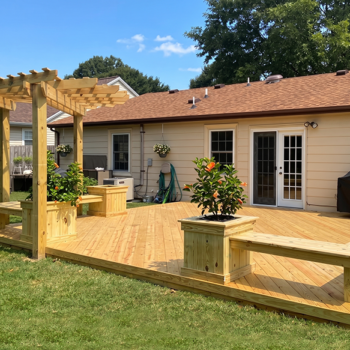
757 Fence & Deck builds and repairs decks right here in Norfolk. We focus on practical design, code-minded framing, and material choices that hold up in our local climate. Free estimates are available, and financing options can help you move forward without putting the project on hold.
Decks built for Norfolk weather
A deck in Norfolk has to deal with constant moisture cycles. Sun dries the surface, then rain drives water into joints and screw holes, and humid air slows down drying. That pattern is what loosens fasteners, warps boards, and turns small rot spots into major structural problems.
Material and hardware choices matter more here than in drier climates. For many properties, composite decking is appealing because it reduces splintering, repeated staining, and the day-to-day fuss of keeping boards presentable. Pressure-treated lumber is still a solid option for framing and, in some cases, decking, but it needs correct spacing, fastening, and protection at the connections so it can dry out instead of staying wet.
Corrosion is another Norfolk reality. Standard fasteners can rust faster in salty air, staining your boards and weakening connections. We plan the build around the right connectors and fasteners for exterior exposure, then install them so the deck stays tight instead of squeaking and shifting as seasons change.
How we build a deck that feels solid underfoot
A good deck is predictable. It doesn't bounce, the stairs feel even, the railing stays rigid, and water doesn't collect against the house. That outcome comes from the structure and the details you don't notice at first glance.
- Site check and measurements. We look at how you'll use the space, the height off grade, drainage around the home, and where posts and stairs can land without creating water traps or awkward traffic patterns.
- Layout and design decisions. We plan the shape, steps, railing lines, and board direction. Small choices here affect comfort every day, like keeping the door swing clear, avoiding pinch points, and lining up stairs where you naturally walk.
- Material selection that matches the goal. We build and repair composite and pressure-treated wood decks. We'll talk through the feel you want underfoot, the look, your tolerance for maintenance, and how each option behaves in Norfolk's humidity.
- Ledger and house connection details. If the deck connects to the home, the attachment needs to be done correctly. The ledger area is a common failure point on older decks, often from missing or incorrect flashing that lets water get behind the board. We treat that connection as a priority because problems there can damage both the deck and the house.
- Footings, posts, and framing. The frame is where "sturdy" comes from. We set footings and posts correctly, then build the joist layout so loads transfer the right way. Blocking, beam placement, and post connections all affect how the deck feels when people gather in one spot.
- Decking installation and fastening. We install boards with the spacing and fastening approach that fits the product and the conditions. Proper spacing helps shed water and allows seasonal movement without boards buckling or rubbing.
- Rails and stairs built for everyday use. Railings should stay firm, not flex. Stairs should have consistent rise and run, secure stringers, and comfortable hand placement where required. These aren't "extras"; they're what makes the deck usable for kids, guests, and anyone carrying a tray outside.
- Final walkthrough. We check transitions, edges, stair feel, and railing rigidity, then confirm the finished deck matches the agreed plan before we call it complete.
757 Fence & Deck is licensed and insured. Our contractors build decks with a builder's mindset: structure first, clean finishing second, and no shortcuts that show up later as wobble, squeaks, or soft spots.
Deck repairs in Norfolk: what to fix, what to replace
Norfolk decks often fail in predictable places: the ledger at the house, the ends of joists where water sits, the tops of posts, and around stairs where foot traffic and moisture combine. A repair that lasts starts with finding the real cause, not just swapping a few boards.
Common signs your deck needs more than cosmetic work:
- Spongy or soft areas where your foot sinks slightly or boards feel "mushy" after rain.
- Loose railings that move when you push or pull them.
- Sagging or bounce in the middle of the deck or at the top of the stairs.
- Fasteners popping up or boards splitting around screw heads.
- Rot at the house connection or staining that suggests water is getting behind the ledger.
Some decks are good candidates for targeted repairs: replacing damaged decking, correcting a railing attachment, rebuilding a stair run, or reinforcing framing where it's underbuilt. Other times, especially when rot is widespread in framing or the ledger connection is compromised, a rebuild is the safer and smarter path. We'll walk you through what we find and explain what's structural versus what's surface-level, then give a clear plan to get the deck safe again.
Details that decide comfort, safety, and maintenance
Deck planning isn't just about the size. In Norfolk, the "little" construction choices decide how much time you spend dealing with slippery boards, rust stains, and movement in the frame.
- Water management. We aim for layouts and gaps that help water drain and surfaces dry. Trapped moisture is the fastest route to rot and premature wear.
- Hardware selection. Exterior-rated connectors and fasteners help prevent corrosion-related failures and ugly staining around attachment points.
- Board direction and seams. Where seams land and how boards run changes how the deck looks and how it feels to walk on. It also affects where water sits and how debris collects.
- Stair placement and geometry. Stairs are where most decks get used the hardest. Consistent step height, solid stringers, and secure landings make the deck feel safe every day, not just on install day.
- Railing stiffness. A railing shouldn't sway. Strong post attachment and the right framing support keep it rigid, which matters for families and for any elevated deck.
If you're comparing materials, ask one question first: how much maintenance do you want to do in Norfolk's humidity? Composite often reduces the yearly upkeep that comes with staining or sealing wood, while pressure-treated options can work well with the right build details and a realistic plan for maintenance.
FAQ
Do you build new decks and also handle deck repairs in Norfolk?
Yes. We build new decks and repair existing decks in Norfolk, including composite and pressure-treated wood deck builds and repairs. If a repair won't solve the underlying structural issue, we'll say so and explain what a rebuild would change.
What usually causes a deck to feel bouncy?
Bounce typically comes from framing that's under-supported, spans that are too long, or connections that weren't installed correctly. Sometimes the issue is localized, like a compromised beam or a problem at the house ledger. The fix depends on what's actually carrying the load.
Is composite decking a good fit for Norfolk's climate?
Composite is a popular choice in Norfolk because it handles moisture cycles well and reduces routine maintenance compared to many wood surfaces. The frame underneath still matters, and correct fastening and spacing are key so the deck stays stable through heat and humidity.
Can you help with design choices like stairs and railings?
Yes. Stairs and railings are part of the deck build, and we guide those decisions early because they affect safety and daily comfort. A deck that looks fine but has awkward stair placement or a flexible railing won't feel like a good investment.
Do you offer estimates or financing for a deck project?
We offer free estimates, and financing options are available. During the estimate, we'll talk through material choices, layout, repair vs. rebuild decisions, and what it takes to build a deck that holds up in Norfolk conditions.
If you want a deck that feels solid, drains correctly, and stays presentable through Norfolk's damp seasons, start with a free estimate from 757 Fence & Deck. We'll look at your existing conditions, explain what matters structurally, and give you a clear plan for a deck you can use with confidence.
Request a free estimate and we'll set a time to review your space and options for decks in Norfolk.


