Chesapeake Roofing
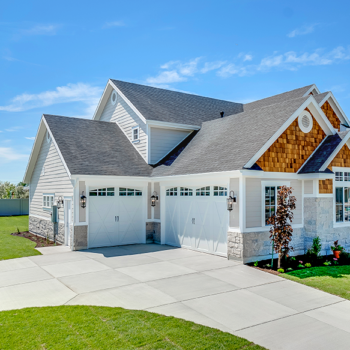
A roof done right keeps water out, manages heat and moisture, and stays tight when the wind picks up. For roofing in Chesapeake, that means more than swapping shingles. It means getting the details correct at the edges, the valleys, and every pipe and vent where leaks start, plus setting up ventilation so humidity doesn't turn your attic into a problem.
757 Fence & Deck handles roof repairs and roof replacements for homes and commercial buildings in Chesapeake. We're licensed and insured, and we provide free estimates so you can see the scope before you commit. If you're planning a larger project, financing options are available.
Roofing choices for Chesapeake weather
Chesapeake gets long stretches of heat and humidity, heavy rains, and strong storm systems that can push water sideways. Those conditions don't just "wear out" a roof. They expose weak spots in how the roof was built and flashed. A roof can look fine from the street and still let water track in around a penetration, soak decking, and show up as a ceiling stain weeks later.
The roofing material matters, but so does the system under it. A good roof assembly is a stack of parts that work together:
- Water-shedding surface (commonly shingles on homes, and low-slope roofing systems on many commercial buildings)
- Underlayment that backs up the surface layer and protects the deck during the job
- Flashing at walls, chimneys, valleys, and penetrations so water can't run behind the roofing
- Edge details like drip edge and starter courses that control where water goes at the perimeter
- Ventilation that moves hot, moist air out of the attic so the roof and framing last longer
In Chesapeake, the "small stuff" is often what keeps a roof from failing early. A pipe boot that's brittle, a step-flashing detail that's missing, or nails placed too high can turn a hard rain into a leak. Good roofing is detail work, repeated across the entire roof.
How a roofing repair or replacement actually gets done
Most problems can't be solved by guessing from the ground. We start with an inspection that looks at both symptoms and causes. If you've got a leak, the stain isn't the map of where water entered. Water travels along decking and framing before it drops.
On a typical Chesapeake roofing visit, we focus on the places that fail first:
- Valleys where two roof planes meet and water concentrates
- Penetrations like plumbing vents, bath fan terminations, and other roof-through items
- Wall intersections such as step flashing and counterflashing
- Ridge and caps where wind-driven rain can work under loose material
- Deck condition including soft spots that signal moisture damage
If the right fix is a repair, we focus on restoring the system, not just covering a spot. That can mean replacing damaged shingles, correcting exposed fasteners, re-sealing or replacing a failed boot, or rebuilding a flashing detail so water is directed back onto the roof surface where it belongs.
If the roof is at the point where replacement makes more sense, the job is still about structure and water control. A roof replacement isn't just "tear off and re-shingle." It's a sequence:
- Site protection and setup so landscaping, siding, and hardscapes aren't collateral damage.
- Removal of existing roofing as needed to expose the deck and problem areas.
- Deck inspection to find soft, rotted, or delaminated areas that can't hold fasteners.
- Deck repairs where required so the new roofing has a solid base.
- Underlayment and water-barrier details placed where water pressure and runoff are highest.
- Flashing and penetration work rebuilt so walls and roof-through items don't become repeat leak points.
- New roofing installation with correct nailing patterns, starter courses, and ridge details.
- Ventilation check so heat and moisture aren't trapped above your ceiling.
- Cleanup with a careful sweep for debris and fasteners.
That sequence matters in Chesapeake because storms test every shortcut. If flashing is an afterthought, the first real downpour finds it. If ventilation is ignored, moisture and heat beat up the roof from the inside, and the attic becomes harder to manage.
Repair vs. replacement: what to look at before you decide
Most property owners don't want a roof "project." They want the leak stopped and the uncertainty gone. The decision between repair and replacement comes down to how widespread the failure is and what you're trying to prevent over the next stretch of seasons.
Repair often makes sense when the roof is generally sound and the issue is localized. Examples include a small area of missing or creased shingles after wind, a flashing detail that was never installed correctly, or a single penetration that's failing.
Replacement becomes the smarter path when the roof has multiple weak points or the system is breaking down across large areas. Warning signs we take seriously include:
- Repeated leaks in different spots, especially after heavy rain and wind
- Widespread shingle damage like cracking, curling, or missing material that can't be spot-matched well
- Soft decking that indicates moisture intrusion has been happening for a while
- Chronic ventilation issues such as excess moisture in the attic or staining that suggests condensation problems
A quick patch can feel like a win until the next storm pushes water under another weak section. If you're already paying for repeated repairs, a replacement can reduce the risk of hidden rot and interior damage that costs more than the roof itself.
We'll walk you through what we see, what's urgent, and what can wait. Your estimate should spell out what's included so you're not comparing a "low number" that leaves out the details that keep a Chesapeake roof dry.
Roofing questions we hear in Chesapeake
Do you provide free roofing estimates in Chesapeake?
Yes. We provide free estimates so you can review the scope, ask questions, and decide how you want to move forward without pressure.
Can you fix a leak without replacing the whole roof?
Often, yes. The key is finding the true entry point and correcting the system detail that failed, such as flashing, a boot, or damaged roofing material. If the roof has multiple failure areas, we'll explain why a repair may not hold.
What usually causes roof leaks during heavy rain?
Common causes are failed flashing at wall intersections, worn or cracked pipe boots, damaged shingles, and problems in valleys where runoff concentrates. Wind-driven rain can also force water into gaps that don't leak in a normal shower.
Do you offer financing for a roof replacement?
Yes. Financing options are available, which helps when a roof replacement isn't something you planned for.
Will you check attic ventilation as part of roofing work?
Yes. Ventilation affects heat and moisture levels, which affects roof life and indoor comfort. We look at how the roof breathes and point out issues that can shorten the life of a new installation.
If you're seeing stains on drywall, shingle pieces in the yard after a storm, or damp smells in the attic, it's time to have the roof inspected before water spreads into decking and framing. 757 Fence & Deck provides roofing in Chesapeake with licensed, insured workmanship and clear scopes of work.
Request a free estimate and we'll take a close look at the roof, explain what's going on, and lay out the repair or replacement steps that fit the condition of your property.


