
Chesapeake Patios
In Chesapeake, a patio has to handle real-world conditions: heavy rain, humid summers, and yards that don't always shed water the way you want. On flatter lots or areas with a higher water table, a patio that isn't built on a properly compacted base or sloped for drainage can settle, hold puddles, and shift out of level.
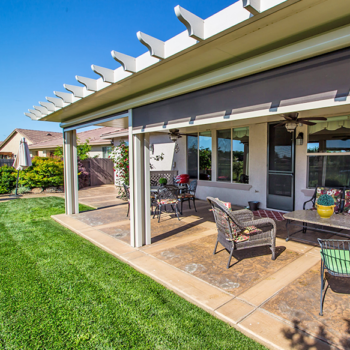
757 Fence & Deck builds Patios in Chesapeake that feel solid underfoot and stay that way. We install paver patios, stamped concrete patios, and flagstone/natural stone patios, with the grading, base work, and edge support that keeps the surface stable and the joints tight. You'll get a clean outdoor living area that's easier to use every day, from grilling space to a landing outside a back door.
Patios that work with Chesapeake drainage
A patio shouldn't behave like a shallow bowl. One of the most common failures we see is water sitting on the surface or running back toward the house. The fix isn't "more sand" or a quick re-level. It starts with layout and grade.
For patios in Chesapeake, we pay close attention to how water moves across the yard during a storm and where downspouts discharge. Then we shape the subgrade and set the finished slope so surface water sheds away from the foundation and away from door thresholds. If the yard already holds water, we address that before installing the patio so you don't end up with a nice surface over a soggy base.
- Slope planning: Establishing a consistent pitch so water drains off instead of pooling.
- Base stability: Building a compacted foundation that resists settlement in wet seasons.
- Border/edge control: Locking the perimeter so pavers and stone don't spread and loosen over time.
Those details matter because patio problems don't always show up immediately. A surface can look fine at first, then after a cycle of heavy rain, the low spots appear and joints open up.
Picking the right patio surface: pavers, stamped concrete, or natural stone
The "best" patio material depends on how you use the space, how much movement your yard sees, and the look you want next to your home. We'll talk through options during your free estimate and recommend a build approach that fits the site, not just the photo you like.
Paver patios are a practical choice when you want a surface that can be serviced later. If a section ever settles or needs access for a repair under the patio area, pavers can be lifted and reset. Pavers also give you a lot of control over pattern, borders, and transitions to walkways or steps.
Stamped concrete patios deliver a single, continuous slab with texture and a patterned finish. The key is doing the slab prep correctly and placing joints where they belong, so the concrete has a controlled place to relieve stress as it cures and experiences seasonal movement. Good finishing matters here; the pattern and texture should look intentional, not rushed.
Flagstone and natural stone patios lean into a more organic look. Stone thickness, a stable setting bed, and careful joint work determine whether the patio feels like a solid floor or a collection of wobbling pieces. On patios that see frequent foot traffic and furniture, we set stone with long-term stability in mind so edges don't rock and joints don't wash out.
If you're deciding between these surfaces, it helps to think about the consequences of maintenance. A stamped concrete patio is one continuous surface that relies on crack control and drainage; pavers and stone rely on strong base prep and tight edge restraint so the field stays locked together.
How a patio gets built: the parts you don't see
Patio longevity comes from what's under the finished surface. Cutting corners below grade is the fastest way to end up with a patio that feels uneven or shifts after storms. Our Chesapeake team approaches installation like a build, not a "set it on sand" shortcut.
- Site check and layout: We confirm dimensions, elevations, where the patio meets the house, and how you want to use the space (traffic paths, furniture zones, grill placement). We also look at drainage patterns so the patio doesn't push water where you don't want it.
- Excavation to the right depth: We remove soil to make room for the base and surface thickness. The depth isn't arbitrary; it's based on the system being installed and the stability needed for the site.
- Subgrade shaping and compaction: The ground below the base gets shaped to help drainage and compacted so the foundation starts on firm support.
- Base installation and compaction in lifts: We place base material in layers and compact each lift. This is one of the biggest separators between a patio that stays flat and one that develops dips.
- Edge restraint and borders (for pavers/stone): The perimeter gets locked in so the field can't spread. Without this, joints widen and pieces start moving.
- Setting the surface: Pavers and stone are set to consistent lines and elevation. For stamped concrete, the slab is placed and finished with the correct jointing and pattern work.
- Jointing and final stabilization: We finish joints, settle the surface, and confirm drainage. For pavers, proper joint fill helps lock units together and reduce shifting.
- Clean edges and transitions: The patio should meet the yard cleanly, without awkward lips that catch toes or hold water at the border.
Because we're licensed and insured, you're not gambling on a "weekend crew" approach. You're hiring experienced builders who treat base prep, grade, and finishing like the core of the job, not an afterthought.
Details that prevent wobbles, puddles, and early repairs
Most patio complaints trace back to a few specific misses. If you're comparing proposals for patios in Chesapeake, these are the items worth pressing on, because they affect performance more than the surface pattern or color.
- Drainage away from structures: A patio should not send water toward siding, thresholds, or foundation walls. The finished slope should be planned from the start, not corrected with "a little pitch" at the end.
- Compaction method: Ask how the base is compacted and whether it's done in lifts. One thick layer compacted once is a common cause of later settlement.
- Edge restraint (pavers/stone): Without firm edging, the perimeter creeps outward and the middle loosens. This is where wobble starts.
- Control joints (stamped concrete): Concrete moves. If joints aren't planned, cracks choose their own path. Good joint layout makes the patio look better over time.
- Transitions: The step from door to patio, patio to grass, and patio to walkway should feel intentional. Poor transitions create trip points and catch standing water.
If your yard has chronic wet spots, we'll be direct about what needs to happen before the patio goes in. Building on soft, saturated ground leads to settling and ongoing resets. Fixing it up front protects the investment.
Patio FAQs
How long does a patio installation take?
It depends on the patio size, the material (pavers vs. stamped concrete vs. natural stone), and how much excavation and base work the site needs. After we see the yard in Chesapeake, we'll give you a clear scope and a realistic schedule as part of your estimate.
Do I need a permit for a patio in Chesapeake?
Some patios don't require a permit, while certain conditions can trigger approvals or HOA rules. We'll review what applies to your property and help with the required steps so the patio is built the right way from the start.
What's the biggest reason paver patios start sinking or spreading?
Almost always, it's base prep and edge restraint. If the base isn't excavated to the right depth and compacted in layers, the field settles. If the perimeter isn't locked in, the pavers drift and joints widen.
Can you build a patio that matches existing concrete or hardscape?
Yes. We plan elevations, edges, and transitions so the new patio ties in cleanly. Matching perfectly can be limited by what's already on site and available materials, but we can align layout and finish choices so the patio looks intentional next to existing surfaces.
Do you offer financing for patio projects?
Yes. Financing options are available, and we'll explain the next step during your free estimate so you can decide what fits your budget and timeline.
If you want a patio that feels level, drains correctly, and holds up through Chesapeake weather, start with a plan built around base prep and water management. Share what you want the space to do, and we'll recommend the right patio system and build details for your yard. Request a free estimate, and we'll take measurements, talk through material options, and give you a clear quote for your patio in Chesapeake.


