

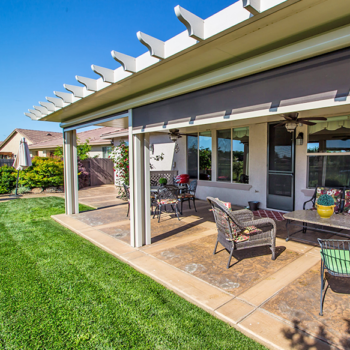
Portsmouth Patios
A patio that's done right feels like part of the home, not an afterthought. It sits flat, drains the way it should, and stays solid through seasons of heat, rain, and everyday foot traffic. 757 Fence & Deck builds Patios in Portsmouth with the details that matter most: a stable base, clean edges, and a surface that fits how you actually live outside.
If you want a place for a grill, a table that doesn't wobble, a safe walkway from the back door, or a hard surface that keeps muddy shoes out of the house, a properly built patio is one of the most practical upgrades you can make.
What "done right" looks like on a patio
From the street, patios look simple. On the jobsite, small shortcuts show up later as low spots, shifting pavers, cracked concrete, or water that runs toward the house. In Portsmouth, the best patio plan starts with two questions: where does the water go, and what's underneath the surface?
A good patio has clear lines and comfortable spacing from doors, steps, and landscaping. The surface should feel steady underfoot, with no rocking corners or hollow spots. Edges should be restrained so the field can't creep outward over time, and the pitch should carry water away from the foundation and out of high-use areas.
We're licensed and insured, and we approach patio work like builders, not like someone placing stones on top of soil. That mindset is what keeps a patio looking good after months of use, not just on day one.
Patios in Portsmouth: pavers, stamped concrete, and natural stone
Material choice isn't just about looks. It changes the thickness of the base, the type of jointing, long-term maintenance, and how repairs work if you ever need them. 757 Fence & Deck installs paver patios, stamped concrete patios, and flagstone or natural stone patios, and we'll steer you toward what fits your property and how you plan to use the space.
- Paver patios: Great for clean patterns and easy future access. If you ever need to reach something below, pavers can be lifted and reset. The key is proper base depth, tight edge restraint, and joint sand that locks in without washing out.
- Stamped concrete patios: A solid slab with texture and pattern. Control joints, reinforcement choices, finishing timing, and sealing all affect how it wears. Concrete also needs thoughtful drainage planning because water won't pass through it. Learn more about our concrete services.
- Flagstone and natural stone patios: Natural variation and a more organic look. Stone thickness, bedding method, and joint material matter a lot here. Done correctly, it's a strong, high-end surface that still needs stable support underneath.
If you already have a specific look in mind, we can talk through the pros and cons in the context of your yard, the slope you've got to work with, and how close the patio sits to the house.
How a patio gets built so it stays flat and drains correctly
Most patio problems come from what you can't see: poor excavation, soft subgrade, or base material that wasn't compacted in lifts. We don't treat the base like filler. It's the structure.
- Site walk and layout: We measure and mark the footprint, confirm door thresholds and step locations, and plan the final height so transitions feel natural. This is also where we identify drainage paths and any areas that need special attention.
- Excavation and subgrade prep: We remove soil to the right depth for your patio type and base thickness, then shape the subgrade so it supports the slope we need. Soft spots get addressed now, not hidden under stone.
- Base installation and compaction: We build the base with suitable aggregate and compact it in layers. This step controls settling and keeps pavers from shifting or concrete from cracking due to movement below.
- Edge restraint and surface build: For pavers, we set edge restraint, install bedding material, lay the pavers, cut clean borders, and set joints. For concrete, we form the pour, place reinforcement as needed, then finish, stamp (if applicable), and cut control joints.
- Final detailing and cleanup: We check elevations, address any minor alignment issues, and leave the area tidy. If sealing is part of the plan, we'll explain when it should be applied and what to expect.
We also keep the plan grounded in real use. A patio that's perfect on paper can feel cramped once you place chairs, open a grill lid, or move between the door and the table. Layout decisions up front prevent that "we should've made it bigger" regret later.
Details that decide how long your patio looks good
Patios fail in predictable ways. The fixes are also predictable, and they start with being honest about constraints like drainage, soil movement, and how water leaves the surface during storms.
- Pitch and runoff: Flat looks nice until puddles form. We build pitch into the finished surface so water moves away from the home and out of traffic areas. Where the yard doesn't naturally carry water away, we plan the patio edges and surrounding grade so water has somewhere to go.
- Jointing for pavers and stone: Wide, weak joints wash out. Tight joints without proper sand can shift. We use jointing methods that match the paver or stone type and explain what normal maintenance looks like.
- Edge restraint: Without restraint, pavers spread and joints open. Edge restraint is what holds the field together when furniture gets dragged, kids run across it, or soil at the edge cycles wet and dry.
- Concrete finishing and control joints: Concrete moves and it cracks; the goal is to control where it does that and reduce visual impact. Joint placement, finishing timing, and sealer choices all affect traction and appearance over time.
- Transitions and thresholds: Patios often meet doors, steps, and walkways. Getting those transitions right prevents trip points and keeps water from sitting where it shouldn't.
If you're replacing an old patio, we pay attention to why it failed. A surface that sank in one corner or heaved at the edge usually points to base or drainage problems that need to be corrected, not repeated.
FAQ
How do I choose between pavers and stamped concrete for a patio in Portsmouth?
Pick pavers if you want the option to lift and reset sections later, or if you like the look of patterns and borders with crisp lines. Pick stamped concrete if you want a single continuous surface with a textured finish. We'll look at drainage, access needs, and where the patio sits in relation to the home before recommending one.
What causes pavers to sink or get uneven?
The usual causes are insufficient excavation depth, base material that wasn't compacted properly, soft subgrade left in place, or missing edge restraint. Fixing the surface without fixing the base is a short-term patch, so we focus on the structure underneath.
Do patios need to be sealed?
Some do, some don't. Stamped concrete often benefits from sealing to help protect color and make cleanup easier, but traction and the right product matter. Many paver and natural stone patios can be sealed, though it changes the look and can affect maintenance. We'll explain the tradeoffs for your material choice.
Can you build a patio that matches existing hardscaping?
Yes. We can match size, elevation, and visual style so the new patio doesn't look tacked on. If you're trying to blend with an existing walkway or landing, we'll plan the cuts and borders so the finished work reads as one design.
757 Fence & Deck builds patios in Portsmouth for homeowners and property managers who want outdoor space that stays clean, usable, and stable. We offer free estimates, and financing options are available if you want to spread the project cost out. Use our contact page to tell us what you're picturing and what problems you want the patio to solve, and we'll help you choose a material and layout that make sense for your property.


