

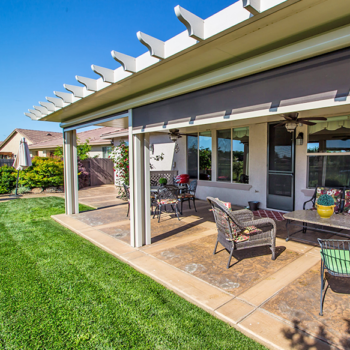
Norfolk Patios
In Norfolk, a patio usually becomes a "now" project for practical reasons: the yard stays too wet after rain, the back step drops into mud, an old slab has cracked and shifted, or the only place to sit is a patch of uneven grass. A properly built patio fixes those day-to-day problems and gives you a clean, stable surface for grilling, seating, and foot traffic without tracking dirt back inside.
757 Fence & Deck builds patios in Norfolk with a focus on long-term stability: solid base prep, correct slope for drainage, and materials that fit how you actually use the space. We're licensed and insured, and we offer free estimates so you can get clear options before you commit.
Patios that make sense for Norfolk properties
The right patio material depends on what you want it to do and what your yard is doing now. Some homes need a surface that can be reset if the ground moves. Others need a finish that's easy to rinse clean after pollen season, cookouts, and coastal humidity.
- Paver patios are a strong choice if you want a clean look with repair flexibility. Individual pavers can be lifted and reset if a section settles, which is helpful if you're dealing with soft areas, root activity, or a downspout that once dumped water in the wrong place. Pavers also give you lots of layout options for shape, borders, and patterns without committing to one large slab.
- Stamped concrete patios deliver the feel of a patterned surface in a single pour. If you like the look of stone or tile but prefer a continuous surface, stamped concrete can fit that goal. The key is control joints, slope, and finishing details so the patio drains and doesn't turn into a slick surface when it's damp.
- Flagstone / natural stone patios bring a high-end, natural look. Stone selection and the setting method matter a lot here because uneven thickness and weak base prep can lead to rocking stones and widening joints. Done correctly, stone patios feel timeless and handle heavy use well.
If you're choosing between surfaces, we'll talk through how you'll use the patio in Norfolk: outdoor dining, furniture legs that need a flatter surface, foot traffic from kids or pets, and how much maintenance you're comfortable with. The goal isn't to sell you a material. It's to build a patio you won't be fighting every season.
How we build patios that stay level in Norfolk
A patio's lifespan is decided below the surface. Most "patio problems" aren't surface problems at all. They start with base thickness, compaction, and water management. Our contractors focus on the parts you won't see once the job is finished, because those are the parts that stop settling and pooling.
- On-site layout and grade check
We measure the area, mark the footprint, and confirm where water currently goes. We also look at door thresholds, steps, and any tie-ins so the finished height makes sense and doesn't create a trip point. - Excavation to the correct depth
Patio failures often trace back to shallow dig-outs. We excavate to allow for the full base layer(s) plus the finished surface, not just enough to "get it in." - Base build and compaction
For paver and stone systems, the base is installed in lifts and compacted to reduce future settling. This is the part that separates a patio that feels solid from one that starts to dip in a year or two. - Drainage slope set on purpose
Patios should move water away from the home. In Norfolk, where humidity and storms can keep surfaces damp, correct slope helps prevent lingering puddles, algae growth, and saturated edges. - Setting the surface
Pavers are set for tight lines and consistent height. Stamped concrete is poured, finished, and detailed with control joints placed where they belong. Natural stone is fit, leveled, and set to avoid rocking and stubbed toes. - Jointing, edge restraint, and clean finish
Pavers need edge restraint so they don't creep outward over time. Joints are filled and finished so the surface locks together and stays cleanable.
We also build and install stamped/decorative concrete and paver patios as part of our regular work, so the steps above aren't theory. They're the routine details that keep patios performing in real Norfolk yards.
Details that keep patios dry, safe, and easy to live with
A patio should feel simple to own. The difference between "easy" and "annoying" usually comes down to a few build decisions that homeowners don't always see during the estimate.
- Water direction at the house edge
If your downspouts or roof runoff land near the patio, we plan for it. Uncontrolled runoff can wash out base material, stain concrete, and loosen joints. Redirecting water or shaping the grade correctly prevents long-term movement. - Transitions that don't trip people
The edge where a patio meets grass, a walkway, or a step needs to be intentional. A clean edge reduces weed growth and keeps mowers from chewing up the border. It also prevents that slow "edge crumble" that turns into a repair project later. - Surface grip and cleanability
In damp conditions, slick surfaces become a real issue. Texture choice, finish choice, and routine rinsing matter. If you're set on stamped concrete, we'll discuss the texture level and maintenance so it stays comfortable underfoot. - Joint performance for pavers and stone
Joint material affects stability and maintenance. Poor joints invite weeds and ants and can let pavers shift. Proper jointing keeps the system tight and reduces ongoing upkeep. - Planning for furniture and use
A patio for a dining set needs different proportions than a small landing outside a back door. We'll plan the footprint around real walking paths and chair pull-back space so the patio doesn't feel cramped.
For commercial patios in Norfolk, the conversation shifts toward traffic patterns, durability, and keeping the surface even and safe. The fundamentals stay the same: base, drainage, and clean transitions. Learn more about our commercial services.
Patios and timing, access, and decision points
Most patio projects go smoother when a few choices are made early. We'll guide you through them during the estimate so you're not forced into last-minute decisions while work is underway.
- Material selection: pavers vs. stamped concrete vs. flagstone, and what that means for maintenance and repairability.
- Shape and border details: straight lines are simpler; curves and inlays take more layout time and more cuts.
- Access to the yard: gate width, fence lines, and where materials can be staged affect the plan for moving base stone and removing spoil.
- What you're building against: existing steps, landings, or an old slab can change the best finished height and the cleanest transition.
If permits or approvals are required for your specific patio in Norfolk, we'll address that up front as part of the planning so the build doesn't stall midstream.
Patio FAQs
Do paver patios hold up better than concrete in Norfolk?
Pavers and concrete both perform well when the base and drainage are done right. Pavers have an advantage for future adjustments because individual units can be lifted and reset if a section settles. Concrete gives you a continuous surface, but cracks can't be "un-cracked," so joint placement and subgrade prep matter even more.
How do you stop patio puddles after rain?
We prevent puddles by setting the correct slope during base prep, not by trying to "fix it" at the surface. We also look at where roof runoff lands and how water moves across the yard, because runoff that crosses the patio can overwhelm small slope errors.
Can you build a patio over an old concrete slab?
Sometimes the slab can be used as part of the system, and sometimes it needs removal. If the slab is heaved, badly cracked, or holding water against the house, building over it usually locks in those problems. We'll evaluate the condition during the estimate and recommend the approach that keeps the finished patio stable.
What maintenance should I expect?
Pavers and stone typically need occasional joint touch-ups and routine cleaning. Stamped concrete benefits from periodic sealing and keeping the surface clean so it maintains traction and appearance. The best maintenance plan depends on sun/shade, tree debris, and how much foot traffic the patio gets.
Do you offer financing for patios in Norfolk?
Yes. 757 Fence & Deck offers flexible financing options, and we'll explain the choices during your estimate so you can match the project scope to your budget.
If you're ready for a patio that drains correctly, feels solid underfoot, and fits your day-to-day life in Norfolk, we'll walk the area with you and provide a free estimate. You'll get clear material options, a plan for water and grade, and a build approach that's based on doing the unglamorous prep work that keeps patios looking right years later.
Request your free patio estimate in Norfolk and we'll schedule a site visit to measure, discuss materials, and map out the cleanest layout for your space.


