Virginia Decks
Virginia weather is tough on outdoor structures. Long humid stretches, hard rains, hot sun, and winter freeze-thaw cycles all work on the boards, fasteners, and framing underfoot. If your yard holds water, your deck can stay damp for days, which speeds up rot and corrosion. Well-built Decks in Virginia are designed around those realities so the surface stays flatter, the frame stays dry, and the railings stay solid season after season.
757 Fence & Deck builds and repairs decks in Virginia for homeowners and property managers who want a safe, usable outdoor space that fits the house and holds up in our climate. We're licensed and insured, and we start with free estimates so you can make decisions with clear scope and clear options. Financing is available for customers who want to spread project costs out over time.
Decks built for Virginia weather
The material you choose changes how your deck behaves in humidity and direct sun. We build with composite decking and pressure-treated wood, and we'll help you pick based on how you actually use the space, not just how it looks on day one. If you grill often, host a lot, or have pets, scratch resistance and heat gain matter. If your deck sits under trees, staining and cleanup matter. And if you don't want annual upkeep, surface material is only part of the story. The frame, flashing, and fasteners are what keep a deck stable.
Here's what we talk through on Virginia deck builds and rebuilds:
- Moisture management: Board spacing, drainage paths, and details that keep water from sitting on framing members.
- Corrosion resistance: Hardware and fasteners chosen for wet conditions and outdoor exposure so connections stay tight.
- Heat and sun exposure: Color and surface choice, plus layout that supports shade features you're planning (now or later).
- Traction and safety: Surface selection and stair layout so the deck feels secure when it's wet.
Composite boards reduce routine maintenance, but they still need correct gapping and strong framing so the deck feels firm and doesn't telegraph uneven joists. Pressure-treated wood is a solid choice for many Virginia properties, especially when it's built with good airflow under the deck and protected at the ledger and posts. We'll lay out the pros and cons clearly so you can choose what fits your upkeep expectations.
How deck construction works in Virginia
A deck is only as strong as what you can't see. The most common failures start at connections: the ledger where the deck attaches to the home, the post-to-beam connection, and the way joists are hung and restrained. Our approach is straightforward: build a clean structure first, then install the surface so it drains, moves, and wears the way it should.
- Site walk and measurements: We look at slope, soil conditions at the post locations, access for materials, and how you'll use the space day-to-day.
- Layout and framing plan: We confirm deck size, stair locations, traffic flow from doors, and railing spans so the frame supports the design.
- Footings and posts: We place and set supports to keep the deck stable, square, and resistant to settling and movement over time.
- Ledger, flashing, and structural ties: This is where water control and structural strength meet. Done right, it protects the house and the deck.
- Joists, blocking, and beam work: Solid framing prevents bounce, helps boards stay flat, and supports long-term fastener grip.
- Decking installation: Boards are installed with correct spacing and fastening patterns for the material chosen.
- Stairs and railings: Comfortable rise/run and sturdy rails matter every time someone carries food outside or walks down in rain.
- Final check: We confirm tight connections, smooth transitions, and a clean finish, then walk the deck with you.
Permits and inspections come up often with decks in Virginia. Because we're licensed, we're used to building with those requirements in mind and keeping the job aligned with local expectations for structural connections and safety details. You shouldn't have to guess if a railing height or stair layout is going to pass when it's time to close things out.
Deck repair vs. rebuild: what matters in Virginia
Repairs can be the right move when the frame is solid and the problems are isolated. Rebuilds make more sense when the structure is compromised or the deck was built with weak connections that keep causing issues. The tricky part is that many deck problems hide until boards come off, especially around the ledger and the ends of joists where moisture lingers. We inspect the deck with that in mind and explain what's actually failing, not just what looks rough.
Common repair items we handle on decks in Virginia include:
- Soft or cupped deck boards: Often caused by long-term moisture exposure or improper spacing and fastening.
- Loose railings: Usually a connection issue, not a "tighten the screws" issue. A solid rail needs proper blocking and anchors.
- Bouncy or uneven walking feel: Can point to undersized framing, missing blocking, or settling supports.
- Stair problems: Worn treads, loose stringers, or layout that feels steep or awkward in wet weather.
- Ledger concerns: If water has been getting behind the deck at the house connection, that's a high-priority fix.
If you're deciding between repair and replacement, focus on structure first. A surface swap on top of a failing frame is money spent twice. A clear example: if the ledger area is letting water into the connection, simply replacing top boards won't stop the real damage. Addressing that detail protects both the deck and the home.
Details that make a deck last in Virginia
Long deck life doesn't come from one "magic" product. It comes from a handful of details done consistently. We pay close attention to airflow under the deck, clean fastening, and water-shedding transitions at the house. Those choices reduce the damp conditions that shorten a deck's lifespan in Virginia.
- Drainage and clearance: We plan for water to move away and for the structure to breathe, especially on low-to-grade builds.
- Clean cuts and protected end grain: Ends are where boards often start to degrade first, so we treat them with care during install.
- Correct hardware: Outdoor-rated connectors and fasteners help prevent rust streaks and weakened joints.
- Intentional board layout: We avoid awkward seams and pay attention to consistent gaps so the deck drains and looks right.
Maintenance matters too. Composite decks still benefit from seasonal cleaning so grime doesn't get ground into the texture. Wood decks need periodic cleaning and protection appropriate for outdoor exposure. We'll give you simple guidance based on your deck material and how shaded the surface is, so upkeep stays realistic.
Deck FAQs in Virginia
Do I need a permit to build a deck in Virginia?
Many deck builds require permits and inspections, especially when the deck is attached to the home or elevated. During your estimate, we'll talk through the scope and the typical permitting path so the project is planned correctly from the start.
Is composite decking a good choice for Virginia humidity?
Yes, composite is a strong option for humid conditions because it doesn't require the same type of sealing schedule as wood. The deck still needs proper framing, spacing, and fastening so water drains and the surface stays stable through seasonal changes.
What are the biggest safety red flags on an older deck?
Railings that move when you lean on them, stairs that shift, soft spots in walking areas, and signs of moisture damage at the connection to the house. If any of those show up, the deck needs a closer structural review, not just cosmetic fixes.
Can you match my existing deck if I only need a partial repair?
We'll look at what you have and explain your options. With older materials, exact matches aren't always possible, but we can often make repairs look intentional by replacing a defined section, adjusting board layout, or updating a surface area in a way that blends cleanly.
If you're ready for a deck that feels solid underfoot and holds up to Virginia weather, schedule a free estimate with 757 Fence & Deck. We'll measure, inspect what's there, and give you a clear plan for a new build or a repair, with financing options available for qualified customers.
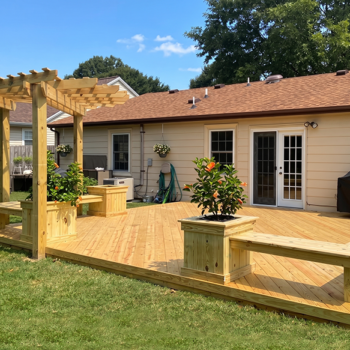
Check our Gallery to see examples of our deck projects and get inspired for your own outdoor space.


