Virginia Fencing
A fence done right looks straight from the street, feels solid when you close the gate, and keeps doing its job through Virginia weather. That means posts set correctly, panels that follow the grade without awkward gaps, hardware that doesn't sag, and a layout that matches how you actually use the space.
757 Fence & Deck provides Fencing in Virginia for homeowners and businesses that want clear boundaries, privacy, safer yards, and a finished look that fits the property. We're licensed and insured, and we offer free estimates and flexible financing options so you can plan the project with clear numbers before work starts.
What a fence should do on a Virginia property
Most fence problems start with a mismatch between the fence and the job it's supposed to do. In Virginia, the "job" often includes more than one goal: keeping kids or pets in, keeping trespassers out, blocking sightlines from the street, or simply marking a clean property edge so the yard feels organized.
Virginia conditions also affect design choices. Moisture, heat, and strong storms can punish weak posts, cheap fasteners, and gates that weren't braced correctly. If the yard holds water after rain or the soil is loose in spots, post setting and drainage details matter even more. A fence that's only attached "well enough" can start leaning, twisting, or dragging at the gate within a season.
There's also the paperwork side. Property lines, utility easements, and HOA or commercial site requirements affect where a fence can go and what style is allowed. Getting alignment and setbacks right at the start prevents the expensive kind of "fix" where a section has to be moved after it's already built.
Fencing materials and styles we install and repair
We handle residential and commercial fence installation and repair in Virginia. The right material depends on what you're protecting, how much privacy you want, and how much maintenance you're willing to keep up with.
- Wood fencing (pressure-treated and cedar): A strong choice for privacy and classic curb appeal. Pressure-treated boards resist decay, while cedar brings natural rot resistance and a different look. Wood works well for tall privacy runs, but it needs thoughtful spacing, solid rails, and realistic maintenance expectations.
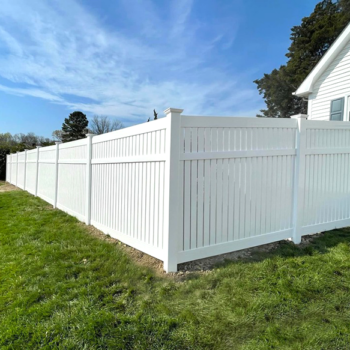
- Vinyl fencing: Popular for clean lines and low routine upkeep. Vinyl can be a good match for privacy or picket styles, but it still needs correctly set posts and room for normal expansion and contraction so panels stay aligned.
- Black aluminum fencing: A sharp, open look that defines boundaries without blocking views. It's common around front yards, landscaped areas, and places where you want security without a "closed in" feel.
- Chain-link fencing (galvanized and vinyl-coated): Practical for large areas, pet runs, commercial perimeters, and sites that need clear visibility. Proper tensioning and terminal post installation make the difference between chain-link that stays tight and chain-link that turns wavy.
For commercial properties, we also provide chain-link security enhancements such as barbed wire, razor wire, and access control systems. These upgrades have real implications for safety, liability, and site rules, so they're planned intentionally, not treated as an afterthought. Learn more about our commercial fencing services.
How we install fences in Virginia
A fence doesn't "settle into place." It either starts true and stays that way, or it starts with small shortcuts that turn into big problems. Our installation process is built around getting the layout, structure, and gates right from day one.
- On-site evaluation and measurements: We look at the slope, soil, drainage patterns, access points, and where you need gates. We also talk through the outcome you want (privacy, containment, security, appearance) so the design matches real use.
- Layout and line planning: We establish straight runs, corners, and gate locations before digging. On sloped yards, we decide where to step panels or follow grade so you don't end up with uneven tops or unwanted gaps at the bottom.
- Utility locating coordination: Before any digging, underground utilities need to be identified and respected. This protects your property and avoids preventable delays.
- Post setting and structure: Posts are set plumb and aligned, with spacing that matches the material system. Corners and gate posts get the attention they deserve because those points take the most load every time the gate swings or the wind pushes the panels.
- Panels, pickets, rails, or fabric installation: We install the fence material with consistent spacing, clean fastening, and appropriate bracing so it stays straight and secure over time.
- Gates and hardware: Latches, hinges, drop rods, and closers are chosen and installed based on how the gate will be used. A gate that drags is usually a structure problem, not "just an adjustment," so we focus on building it to stay aligned.
- Final walkthrough: We check latch operation, panel alignment, and overall finish. If something doesn't look right from the street or doesn't function cleanly at the gate, it gets addressed before the job is considered complete.
Details that decide how long it lasts
Two fences can look the same on installation day and perform very differently after the first hard season. Longevity comes down to a handful of build details that aren't glamorous, but they control sagging, leaning, and early rot.
- Post depth, alignment, and support: In Virginia soil conditions, posts need stable support to resist movement. Corner and gate posts are the first to fail when this is rushed, and once they shift, the entire run starts to look "off." Check out our fence installation quality standards.
- Water management at the base: Standing moisture around posts accelerates deterioration for wood and can shorten the life of fasteners and hardware. Site grading, drainage observations, and clean installation practices all matter here.
- Hardware that matches the environment: Hinges, screws, and brackets should resist corrosion and hold tension. Cheap hardware can stain materials and loosen over time, especially around gates that get daily use.
- Gate construction and bracing: Gates are moving parts. If the frame isn't built to resist twist, you end up lifting the gate to latch it or watching it scrape the ground after the first season of use.
- Material-specific allowances: Vinyl needs correct post setting and panel handling so it stays straight. Chain-link needs proper tensioning so it doesn't wave. Wood needs installation choices that respect how it naturally expands and contracts.
If you're calling about a repair, the most common issues we see are leaning posts, loose panels, rotting wood at ground contact points, and gates that no longer swing freely. A good repair fixes the cause, not just the symptom, so you're not paying twice for the same problem.
Fencing questions we hear from Virginia buyers
Do I need a survey before you install?
If the property line is unclear, a survey is the cleanest way to avoid disputes and rework. For many projects, you may already have documents that help. During your free estimate, we'll talk through what you have and what you need so the fence goes where it's supposed to go.
Can you replace only a section, or do I need a full rebuild?
We do fence repairs as well as new installs. If the structure is failing at key points like corners and gates, a partial patch might not hold. If the issue is isolated, replacing posts, rails, or panels in the affected area can restore function without rebuilding everything.
What type of fence works best for pets?
That depends on the pet and the yard. For jumpers, height and reduced footholds matter. For diggers, you need attention at the bottom edge and corners. Chain-link is common for visibility and strength; wood and vinyl are common for privacy. We'll recommend a layout and gate plan that matches how you actually use the yard.
How do you handle driveway and equipment gates?
Wide openings need stronger posts, the right hinge hardware, and a plan for keeping the gate from sagging under its own weight. We'll size the opening, confirm swing clearance, and build the gate so it latches cleanly and stays aligned with regular use.
Do you install commercial security add-ons like barbed wire or access control?
Yes. For commercial chain-link fencing in Virginia, we install galvanized or vinyl-coated systems and can add barbed wire, razor wire, and access control systems where appropriate for the site. We'll review how the perimeter is used and what requirements apply before choosing the hardware and layout.
If you're planning a new fence or dealing with a section that's leaning, sagging, or failing at the gate, schedule a free estimate with 757 Fence & Deck. We'll walk the line with you, explain the build choices that matter for your property in Virginia, and provide a clear quote. Financing options are available if you want to spread the project cost out over time.
Request your free fencing estimate in Virginia and get a plan that prioritizes straight lines, solid posts, and gates that work the way they should.


