

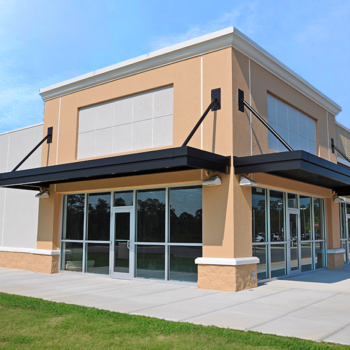
Suffolk Painting
Done right, Painting gives you clean lines, even color, and a finish that stays put through Suffolk's humidity, strong sun, and day-to-day wear. The difference isn't just the brand on the can. It's the prep work you don't see, the primers you do (or don't) need, and how the edges, trim, and repairs get handled so the room or exterior looks sharp instead of "touched up."
757 Fence & Deck provides painting in Suffolk for homeowners, property managers, and businesses who want a contractor finish without the guesswork. Our painters are licensed and insured, and we start with a free estimate so you can make decisions with clear scope instead of assumptions.
What quality painting changes on a Suffolk property
Paint is a protective layer as much as it is a color choice. In Suffolk, moisture cycles and heat can push weak coatings to fail early, especially on sun-facing siding, trim, doors, and high-touch interior areas. A good paint job slows down that wear and helps you avoid the common "spiral" where small failures turn into bigger repairs.
- Exteriors: Seals porous surfaces, sheds water better, and reduces peeling, chalking, and mildew staining when the right coating system is used. Learn more about our exterior coatings to protect your home.
- Interiors: Washable finishes for hallways, kitchens, and bathrooms; crisp trim lines; smoother walls where old patchwork or nail pops used to show.
- Commercial spaces: Cleaner walls and consistent color across large areas, with coatings selected for scuff resistance and easier maintenance. Visit our commercial services page for more details.
If you're repainting because the last job didn't last, the root cause is usually on the surface: loose paint left behind, glossy areas not deglossed, failed caulk, or moisture getting in at joints and end grain. Fixing those details is what makes the new finish hold up.
Painting process in Suffolk: prep, protection, and clean results
Most problems people blame on "bad paint" come from skipping steps. We treat surface prep as the job. The coatings are the last part.
- Walkthrough and scope confirmation: We look at what's being painted, what's not, how you use the space, and what condition the surfaces are in. This is where we flag peeling areas, staining, damaged drywall, or failing caulk that will affect the finish.
- Protection and setup: Floors, fixtures, landscaping, and nearby surfaces are covered and masked so overspray, dust, and drips don't become the project. We also plan access points so doors and pathways still work.
- Surface preparation: Scraping and sanding where paint is loose, feathering edges so old layers don't "telegraph" through, cleaning where needed, and addressing glossy or previously coated surfaces so the new paint bonds. On interiors, this often includes patching small holes, repairing minor cracks, and sanding repairs to blend.
- Caulk and minor sealing: Gaps at trim joints, around windows, and at transitions get sealed so water and air aren't working against the paint film. Failed caulk is removed and replaced rather than painted over.
- Priming where it matters: Primer isn't automatic everywhere, and it isn't optional where it's needed. Bare wood, patched drywall, stained areas, and repaired spots typically require targeted priming so the topcoat dries even and looks uniform.
- Finish coats and detailing: We apply the appropriate number of coats for coverage and durability, cut in cleanly at edges, and keep sheen consistent across walls and trim. Doors, baseboards, and casings get extra attention because imperfections show there first.
- Final check and cleanup: Tape comes off clean, hardware and fixtures are returned, and the area is left tidy. We do a final visual check for holidays (missed spots), drips, and uneven sheen.
That step-by-step approach is how you avoid common Suffolk repaint complaints like flashing over patches, peeling at trim edges, or mildew shadows reappearing because the substrate wasn't cleaned and sealed correctly.
Choosing paint types, sheen, and color without regret
Paint selection should match the surface and the way it's used. A flat wall paint that looks great in a quiet guest room can disappoint fast in a busy hallway. On exteriors, the wrong product can fade or fail early under sun and moisture.
- Sheen selection: Flat and matte hide surface flaws but scuff more easily. Eggshell and satin are common for living areas because they clean better. Semi-gloss is often best for trim and doors where hands and bumps are constant.
- Moisture-prone areas: Bathrooms, laundry rooms, and kitchens usually need a washable coating and good ventilation planning. Paint won't fix a moisture problem, but the right finish handles routine humidity better.
- Exterior coatings: We look at substrate (wood, previously painted surfaces, masonry) and exposure (sun, wind-driven rain) to select coatings that hold color and resist peeling.
- Color planning: Natural light changes quickly from bright to shaded areas. If you're repainting multiple rooms or a whole exterior, we help you think through transitions so the finished space looks intentional instead of piecemeal.
If you want to move forward without tying up cash, flexible financing options are available. We'll still start with the same thing either way: clear scope and a free estimate that matches the work your surfaces actually need.
Where paint fails first and what we look for
Paint almost always gives clues before it fails. Catching these early can keep a repaint straightforward instead of turning into a bigger prep and repair job.
- Peeling at edges and joints: Often caused by failed caulk, water intrusion, or painting over loose material.
- Bubbling or blistering: Common where moisture pushes from behind the film or where coating was applied over a damp surface.
- Chalking and fading: Sun exposure breaks down older coatings, leaving a powdery residue that must be cleaned off before repainting.
- Interior scuffs and burnishing: Low-sheen paints in high-traffic areas can polish where people touch the wall, making "clean" areas look shinier than the rest.
- Patchy sheen over repairs: Usually a primer and finish-coat issue, not a "bad color" issue.
We don't try to hide those problems under a thicker coat. The fix is almost always in the prep, the primer choice, and making sure the surface is stable before the finish goes on.
FAQ
How do I know if my exterior needs repainting or just a touch-up?
If you see widespread chalking, multiple peeling zones, or cracking along trim and joints, a full repaint with proper prep usually makes more sense than spot work. Touch-ups tend to "picture frame" and stand out when the existing coating has faded or weathered unevenly.
Do you paint both residential and commercial properties in Suffolk?
Yes. We handle painting in Suffolk for homes and for commercial spaces, adjusting products and scheduling needs based on how the property is used and how durable the finish must be.
What's the biggest factor that affects how long a paint job lasts?
Surface condition and preparation. Clean, sound surfaces with the right primer and properly sealed joints give the paint a stable base. Painting over loose edges, glossy surfaces, or failing caulk is the fastest way to see early peeling.
Can you help with color and sheen choices?
Yes. We'll talk through lighting, traffic, and how you want the space to feel, then recommend practical sheens and finishes so the result looks good and is easy to live with.
Do you offer free estimates and financing?
We offer free estimates for painting projects, and financing options are available for qualified customers who want to spread out the cost.
If you want a Suffolk paint job that looks clean up close and stays that way, start with a free estimate. We'll look at the surfaces, explain what prep is required, and give you a scope you can trust before any painting starts.
Request your free estimate and get a clear plan for your painting project in Suffolk from licensed, insured, experienced painters who focus on the details that make the finish last.


