

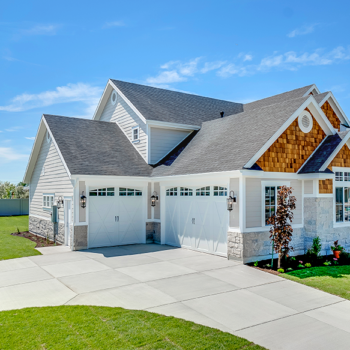
Suffolk Roofing
A roof problem in Suffolk usually shows up fast. A few shingles lift after a wind-driven rain, a ceiling stain spreads, or you notice gritty granules washing out at the downspouts. The worry isn't just the drip you can see. Water travels, so a small entry point at a flashing seam or around a vent can soak decking, insulation, and drywall long before it shows inside.
757 Fence & Deck handles roofing in Suffolk for residential and commercial properties, focusing on repairs that stop the leak at the source and replacements that rebuild the system correctly from decking to ridge. We're licensed and insured, and we provide free estimates so you can make a clear decision before work starts. Financing options are available for projects where you'd rather spread the cost out than delay needed work.
What breaks down roofs in Suffolk
Roofs fail where water and movement meet. In Suffolk, repeated heavy rain, hot sun, humid air, and storm gusts put constant stress on shingles, sealants, and the metal details that keep water out. Over time, the weak points tend to be consistent.
- Flashing and transitions: Valleys, chimneys, walls, and roof-to-porch connections need correctly lapped flashing. If it's cut short, bent wrong, or sealed as a shortcut, water finds a path behind it.
- Roof penetrations: Plumbing vent boots, fan vents, and other pipe penetrations crack, loosen, or get pulled by wind. A cracked boot collar can leak even when shingles still look fine.
- Shingle aging and blow-offs: Missing shingles are obvious, but early wear is easier to miss: curling edges, exposed nail heads, lifted tabs, and patchy granule loss that speeds up UV damage.
- Low-slope drainage issues: On flatter areas, water doesn't shed the same way it does on steep roofs. Small ponding areas and seam failures can cause slow leaks that keep returning unless the detail is rebuilt.
If you've noticed a leak only during certain storms, that often points to wind-driven rain getting behind a detail, not simply "bad shingles." Fixing the right component matters because chasing the symptom with surface caulk usually fails on the next hard rain.
How we inspect and pinpoint the real leak
A solid roofing decision starts with a diagnosis, not a guess. Our Suffolk team inspects the roof like we're trying to prove where the water enters, then we build the scope around that finding.
We typically look at both the outside and the inside because the interior clues often tell you which roof plane is involved. In an attic (when accessible), we look for darkened decking, damp insulation, mold-like spotting, and nail stains that show a drip path. On the roof surface, we check the wear pattern and the details that actually hold water out.
- Shingle field condition: Lifted tabs, broken corners, exposed fasteners, and soft spots underfoot that can signal compromised decking.
- Valleys and edges: Valley lining condition, shingle cut lines, drip edge, and any signs of water backing up under the edge.
- Flashings: Step flashing at walls, counterflashing where applicable, and sealant failure around metal transitions.
- Penetrations and vents: Pipe boot cracking, loose collars, and vent caps that allow water entry during wind.
From there, we'll outline what needs to be repaired and what can stay. The goal is a repair plan that's specific: which area, which materials get removed, what gets replaced, and how the new detail is integrated so water sheds the way it should.
Roofing repair vs replacement in Suffolk
Not every roof needs to be replaced, and not every leak is a "simple patch." The right call depends on how widespread the failure is and whether a repair can be tied into the existing system without creating more weak spots.
A repair is often the right move when the issue is localized and the surrounding roofing is still in good shape. Examples include a damaged vent boot, a small section of wind damage, a flashing detail that was installed wrong, or a leak track that points clearly to one transition.
A replacement becomes the smarter investment when the roof has multiple active leak points, the shingles are consistently brittle or curled, or the underlayment and decking show signs of repeated saturation. Layering patch after patch can leave you paying for repeated trips while the hidden damage keeps spreading.
- Widespread wear: Granule loss and cracking across multiple slopes usually means the shingle surface is reaching the end of its life.
- Soft decking: If the roof deck flexes or feels spongy, the structure under the shingles may be compromised and needs to be addressed, not covered up.
- Recurring leaks: A leak that "moves" or returns after a quick fix often points to flashing or underlayment issues that require opening the area and rebuilding the detail.
- Ventilation and moisture: Poor attic ventilation can bake shingles from below and trap moisture. During a replacement, we can correct ventilation components as part of rebuilding the roof system.
During your free estimate, we'll talk through the tradeoffs in plain language. If a targeted repair will buy real time and hold up through Suffolk weather, we'll say so. If the roof is failing in multiple places, we'll explain what replacement solves that repair can't.
What a proper roof replacement includes
Replacing a roof is more than swapping shingles. The performance comes from the layers underneath and the details at every edge and penetration. Our contractors treat the roof as a system that has to shed water, handle wind, and vent heat.
- Site protection and tear-off: We protect landscaping and staging areas, then remove the existing roofing as needed to expose the substrate. This step matters because roofing over unknown damage locks problems in place.
- Deck inspection and repairs: With the deck exposed, we check for rot, delamination, and soft sections. If decking needs replacement, it's done before new materials go on, so the roof has a solid base and fasteners hold the way they should.
- Underlayment and water barriers: We install underlayment and targeted water protection at vulnerable areas like eaves, valleys, and around penetrations, based on the roof design. The goal is to stop wind-driven rain from getting under the finished surface.
- Flashing done as a build detail: Proper flashing is layered with the roofing, not smeared with sealant after the fact. Step flashing at walls, valley details, and pipe boot installation are handled so water sheds onto the surface, not behind it.
- Roof covering installation: The new roofing material is installed to manufacturer requirements for fastening and layout, including starter courses, ridge details, and proper exposure. This is where "looks fine from the street" becomes "holds up in a storm."
- Cleanup and final check: We police the site for debris, check edges and penetrations, and walk the roof to confirm the details that prevent leaks are tight and properly integrated.
Because we work with trusted suppliers and use high-quality materials, your roof isn't built around whatever was cheapest that week. It's built around components that match the roof type and the conditions it faces in Suffolk.
FAQ
How fast should I act on a small roof leak?
Right away. A small leak can soak roof decking and insulation quickly, and damp wood doesn't dry well when it's sealed under roofing. Early repair usually stays localized. Waiting often turns a small flashing issue into decking replacement and interior repairs.
Will you repair storm-damaged shingles or do I need a full replacement?
If the damage is limited to a defined area and the surrounding roofing is still sound, a repair is often the right choice. If the storm exposed broader brittleness, lifted tabs across multiple slopes, or repeated failures at details, replacement can be the more reliable fix. We'll show you what we're seeing during the estimate.
Do you handle both residential and commercial roofing in Suffolk?
Yes. We provide roofing service for commercial properties and residential in Suffolk. The inspection approach is the same, but the repair strategy and materials depend on roof slope, penetrations, and drainage design.
Do you offer financing for a roof replacement?
Yes. Financing options are available, which can help you move forward with needed roofing work without putting the project off while damage spreads.
Roofing problems don't stay contained, especially after a few rounds of Suffolk rain and wind. If you're seeing missing shingles, water stains, or repeat leaks around vents or flashing, get a free estimate and a clear plan for fixing the cause, not just the symptoms.
Tell us what you've noticed, when it happens, and which rooms are affected. We'll inspect the roof, explain the repair or replacement options in plain language, and put together a scope you can trust. Visit our Contact Us page to schedule your estimate today.


