Chesapeake Sheds
A shed build in Chesapeake usually starts with a quick conversation about what you're storing and how you want to use the space, then an on-site look at your yard to confirm placement, access, and a foundation plan. From there, we put the details into a clear scope and provide a free estimate, then schedule the build, prep the site, construct the shed, and finish with a walk-through so you know what's been done and how to care for it.
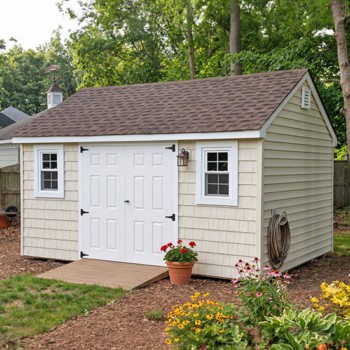
757 Fence & Deck builds custom Sheds in Chesapeake that solve real day-to-day problems: crowded garages, outdoor equipment that can't stay exposed, and workspaces that need more than a flimsy floor and a padlock. If you want a simple utility/storage shed or a workshop-style shed with upgrades like reinforced flooring, added windows, insulation, or electrical hookups, we build to match how you'll actually use it.
Planning sheds that fit your property and your routine
The best shed isn't the biggest one. It's the one you can get to easily, keep dry, and use without wrestling a door into a lawnmower every weekend. Planning starts with the purpose: basic storage, a hobby/work area, or a mixed-use space where you want shelves plus open floor room.
During planning, we'll walk through choices that affect day-to-day convenience and long-term durability in Chesapeake:
- Size and layout: What needs floor space versus wall space (rakes, trimmers, bikes), and whether you need a clear path from the doors to the back wall.
- Door style and placement: Single door versus double doors, door width for equipment, and where the doors should face to avoid constant mud or standing water at the entry.
- Windows and light: Added windows can make a shed feel usable instead of cramped, especially for workshop-style builds.
- Floor load needs: Storage sheds don't need the same floor build-out as a workshop with a heavy tool chest or equipment.
- Rules and constraints: Setbacks, easements, and HOA guidelines can shape where a shed can go and what it can look like. If permitting applies to your shed size or intended use, we'll plan the build details with that in mind.
This is also where "cheap now" can become "expensive later." A shed that's squeezed into a low spot because it's convenient today can turn into a damp, soft-floor problem after repeated wet weather. Getting the placement right is part of getting the shed right.
Site prep and foundations that stay level in Chesapeake
Most shed complaints come back to the base. A shed that isn't supported evenly can rack over time, making doors stick, windows bind, and fasteners loosen. In Chesapeake, where yards can hold moisture and drainage patterns matter, we focus on a base that stays stable and keeps the shed structure off persistent wet ground.
We start by confirming the location is workable: clearance for access, room for door swing, and enough space around the shed to maintain siding and roofing. Then we prep the site so water doesn't become a constant enemy.
- Grading and drainage awareness: We look at how water moves across the yard and avoid placing the shed where runoff gathers. Simple details like keeping the shed away from downspout discharge can prevent long-term issues.
- Vegetation and soil prep: Clearing organic material, leveling the area, and building a proper base reduces settling and helps control moisture.
- Foundation choice: Depending on the shed design and how you'll use it, a compacted gravel base, a slab, or pier-style supports can make sense. The right option is the one that matches load, site conditions, and the finish level you want inside.
A solid foundation isn't just about "not sinking." It protects the floor system from repeated dampness, helps the shed stay square, and supports upgrades like heavier doors, added windows, or reinforced flooring for tool storage.
Build details that keep a shed dry, secure, and durable
Once the base is ready, the shed build is straightforward work that still rewards careful choices. We build sheds in Chesapeake with the same mindset you'd apply to any outdoor structure: keep water out, keep the frame square, and use materials that match the exposure.
Key build details we pay attention to:
- Floor framing and decking: If the shed is more than "light storage," we discuss reinforced flooring so the structure doesn't feel spongy under load. A workshop shed needs a floor that supports real use.
- Wall framing: Square, plumb walls matter for everything that comes after, especially doors and windows.
- Weather protection: Proper layering and flashing at openings helps prevent wind-driven rain from finding its way behind trim and into wall cavities.
- Roofing details: The roof is the shed's first defense. Underlayment, edge details, and clean penetrations reduce the risk of leaks that can quietly ruin stored items.
- Doors and security: A shed door should close cleanly and stay aligned. We frame and hang doors so they operate smoothly, then you can choose the locking hardware that fits your needs.
- Ventilation: Sheds trap heat and moisture. Venting helps limit condensation that can rust tools and swell wood.
Because this is construction work on your property, it also matters who's doing it. Our crew includes experienced contractors/builders, and 757 Fence & Deck is licensed and insured, which keeps the project professional from start to finish.
Workshop and studio upgrades that change how you use the space
Many homeowners start by shopping for a basic storage shed, then realize what they actually want is a small workshop where they can plug in tools, keep materials organized, and work comfortably. We build custom workshops/studios in Chesapeake and can include practical upgrades that make the shed feel like a purpose-built space instead of an afterthought.
- Electrical hookups: If you want outlets, lighting, or dedicated circuits for tools, we can build the shed with electrical in mind so everything is laid out cleanly and safely.
- Insulation readiness: Insulation changes comfort and helps reduce extreme temperature swings. It also affects how you handle ventilation so the shed doesn't trap moisture.
- Added windows: Natural light makes a small workspace easier to use and can reduce the need for lights during the day.
- Reinforced flooring: This is one of the most valuable upgrades for workshop-style sheds. It supports heavier loads and feels solid underfoot.
- Storage and organization: Blocking for wall-mounted shelves, dedicated zones for yard tools, or open wall runs for pegboard-style organization can be planned before the walls close up.
Upgrades work best when they're decided early. For example, if you're planning for electrical and insulation later, we can frame and prep the shed so the follow-up work doesn't require undoing finished surfaces.
FAQ about sheds in Chesapeake
Do I need a permit for a shed in Chesapeake?
Many shed builds require permits depending on size, placement, and how the structure will be used. During your estimate, we'll talk through the intended use and the shed footprint so you can follow the right path before construction starts.
What foundation is best for a storage shed versus a workshop shed?
Storage sheds often work well with a properly prepared base that keeps the floor system stable and dry. Workshop sheds usually benefit from a stronger foundation approach and reinforced flooring because the loads are higher and you'll feel any flex while working.
Can you add electrical, insulation, and extra windows to a custom shed?
Yes. We build custom sheds with options like electrical hookups, insulation planning, additional windows, and reinforced flooring. Those choices affect framing and layout, so it's best to decide on them during the design stage.
How do I keep my shed from getting damp inside?
Start with placement and drainage, then make sure the shed has a solid base, a tight roof, and intentional ventilation. If you're storing tools, paper goods, or anything sensitive to humidity, we'll also talk about door fit and weather resistance so moisture doesn't sneak in around openings.
If you want a shed that stays square, sheds water, and fits the way you use your property in Chesapeake, we'll start with a free estimate and a clear plan for the base, the structure, and any upgrades you want from day one.
To get started, reach out to 757 Fence & Deck for a no-cost quote. Financing is available for customers who prefer to spread the project cost over time.


