Norfolk Sheds
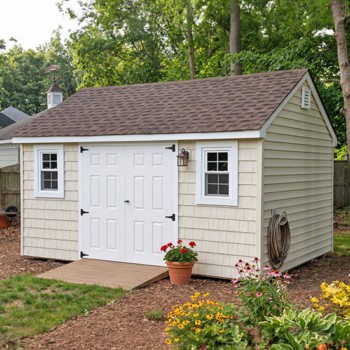
A shed done right gives you dry, secure space that fits your property and stays solid through Norfolk's humidity, heavy rains, and windy storms. That means the shed sits on a stable base, sheds water away from the floor, closes tight at the doors, and has the ventilation needed to keep tools, lawn equipment, and stored items from smelling musty. At 757 Fence & Deck, we build Sheds in Norfolk as true structures, not flimsy boxes, so you get space you'll actually use day after day.
We build custom utility/storage sheds and custom workshop or studio-style sheds, and we can include upgrades like electrical hookups, insulation, extra windows, and reinforced flooring. Free estimates are available, and financing options are available for customers who want to spread payments out.
Custom Sheds built for how you'll use the space
The fastest way to regret a shed is to pick a size and layout without thinking through what has to fit through the door and where it's going to land once it's inside. In Norfolk, lots can be tighter and side-yard access can be limited, so layout matters as much as square footage.
We start by getting specific about use:
- Storage sheds for mowers, yard tools, bikes, seasonal décor, and bins that don't belong in an attic or garage.
- Workshop sheds where you need a sturdier floor, wall space for shelving, and room to move around a workbench.
- Studio-style sheds where light, comfort, and power placement matter more than raw storage volume.
From there, we match the footprint and features to the way you'll move through the space. Wider doors help with mowers and wheelbarrows. Additional windows help if you're working inside regularly. Reinforced flooring matters if you're storing heavier equipment or want a stable feel underfoot while you work.
Site planning in Norfolk: placement, drainage, and access
Most shed problems start before the first board goes down. If the shed sits in a low spot or the base isn't built to stay level, you'll see it in sticking doors, soft flooring, and water that finds its way inside during storms. Good site planning prevents those headaches.
Here's what we look at during the on-site estimate:
- Drainage and grade. We look for the natural path water takes across your yard and plan the shed location and base so runoff moves away from the structure.
- Clearances and setbacks. Many shed builds in Norfolk are affected by rules tied to size and placement. We talk through what applies to your plan and keep the build aligned with it.
- Access for materials and the finished shed. Gate widths, tight side yards, and existing landscaping all affect how we stage the build and where the shed will sit.
- Wind exposure. A shed in an open area needs a build approach that resists racking and stays anchored.
For the base, we'll recommend an option that fits the shed's size and how you'll use it. A simple gravel base can work well for many storage sheds because it drains and supports the structure evenly when installed correctly. A concrete slab can be a strong choice for heavier use and cleaner transitions for rolling equipment. In some situations, skids or pier-style support can make sense, especially where you need to manage grade changes. The key is a level, well-supported foundation that keeps the floor framing out of standing water.
Build details that keep a shed dry, square, and secure
In Norfolk, moisture control is not optional. Salt air and high humidity are hard on fasteners, doors, and trim, and a shed that can't breathe will trap damp air. We focus on the details that stop water intrusion and reduce maintenance.
During the build, we pay close attention to:
- Floor system and load support. Proper joist spacing, a solid deck, and reinforced areas where heavier items will live keep the shed from feeling bouncy or developing soft spots.
- Wall framing and sheathing. Walls need to stay straight and rigid so doors and windows operate smoothly over time.
- Roofing and flashing. Roof slope, edge details, and clean transitions around trim reduce the chance of wind-driven rain getting underneath roofing materials.
- Ventilation. A shed that stores damp gear or gets opened and closed in humid weather benefits from intentional airflow so the interior dries out instead of holding moisture.
- Door fit and hardware. Strong hinges, aligned door frames, and dependable latching reduce sagging and sticking, and they help with security.
Security is often part of the decision, especially if you're storing tools or equipment. A shed is only as secure as its door assembly and hardware. We'll talk through practical security upgrades that match how the shed will be used, without turning the shed into an afterthought that's easy to pry or force.
Workshop and studio options: electrical, insulation, light, and storage
If you're planning to spend time inside the shed, the build needs to feel like a work space, not just an outdoor closet. That starts with a floor and wall system that can handle day-to-day use, then moves into comfort and power.
For workshop and studio-style sheds in Norfolk, common build-outs include:
- Electrical hookups. Dedicated outlets where you'll actually use tools, clean lighting placement, and planning for cords, chargers, or a small fridge if the space needs it.
- Insulation. Insulation helps with comfort and can reduce condensation problems that come with humid weather and temperature swings.
- Extra windows and better lighting. Natural light is a practical upgrade if you're doing detail work, hobbies, or using the shed as a quiet space.
- Reinforced flooring and interior supports. Heavier-duty flooring helps with tool storage, rolling equipment, and a sturdier feel for benches and shelving.
These upgrades are easiest to include when they're planned from the beginning. For example, window locations affect where shelving can go, and electrical planning affects where benches and larger tools should live. We walk through that layout early so the shed feels intentional from day one.
FAQ
What kind of foundation is best for a shed in Norfolk?
The best base is the one that stays level, drains well, and matches how you'll use the shed. Gravel bases work well for many storage sheds because they handle drainage, while concrete slabs can be a strong choice for heavier-use workshop sheds. During the estimate, we look at grade, soil conditions, and water flow so the shed doesn't sit in runoff.
Can you build a shed with power for tools and lighting?
Yes. We build custom sheds with electrical hookups for workshop and studio use, and we plan outlet and lighting locations around how you'll set up the space so you're not stuck relying on extension cords.
How do you help prevent moisture and musty smells inside a shed?
Moisture control starts with keeping the shed off standing water and keeping rain out through good roofing and trim details. We also plan ventilation so humid air doesn't get trapped inside, which is a common issue in Norfolk. Our roofing services help ensure your shed stays dry and secure.
What should I decide before requesting a shed estimate?
Know what you want to store, your preferred shed location, and whether you want upgrades like insulation, additional windows, or reinforced flooring. If you want a workshop or studio shed, think about where power and lighting should go. We'll handle the measuring and help refine the layout during the on-site visit.
If you want a shed that stays square, stays dry, and fits the way you live in Norfolk, we'll quote it clearly and build it with practical details that hold up. Request a free estimate from 757 Fence & Deck, and ask about financing options if you'd like to spread the cost out.


